1. Establish who you will contract with
Ask for the full legal business name and registration details. Compare them with the quotation, contract and payment beneficiary. Understand whether you are dealing with a manufacturer, trading business or intermediary. A trading company may be a suitable partner, but its role should be clear.
- Legal business identity and operating scope
- Contracting entity and bank beneficiary consistency
- Factory address and production responsibility
2. Check capability for your product
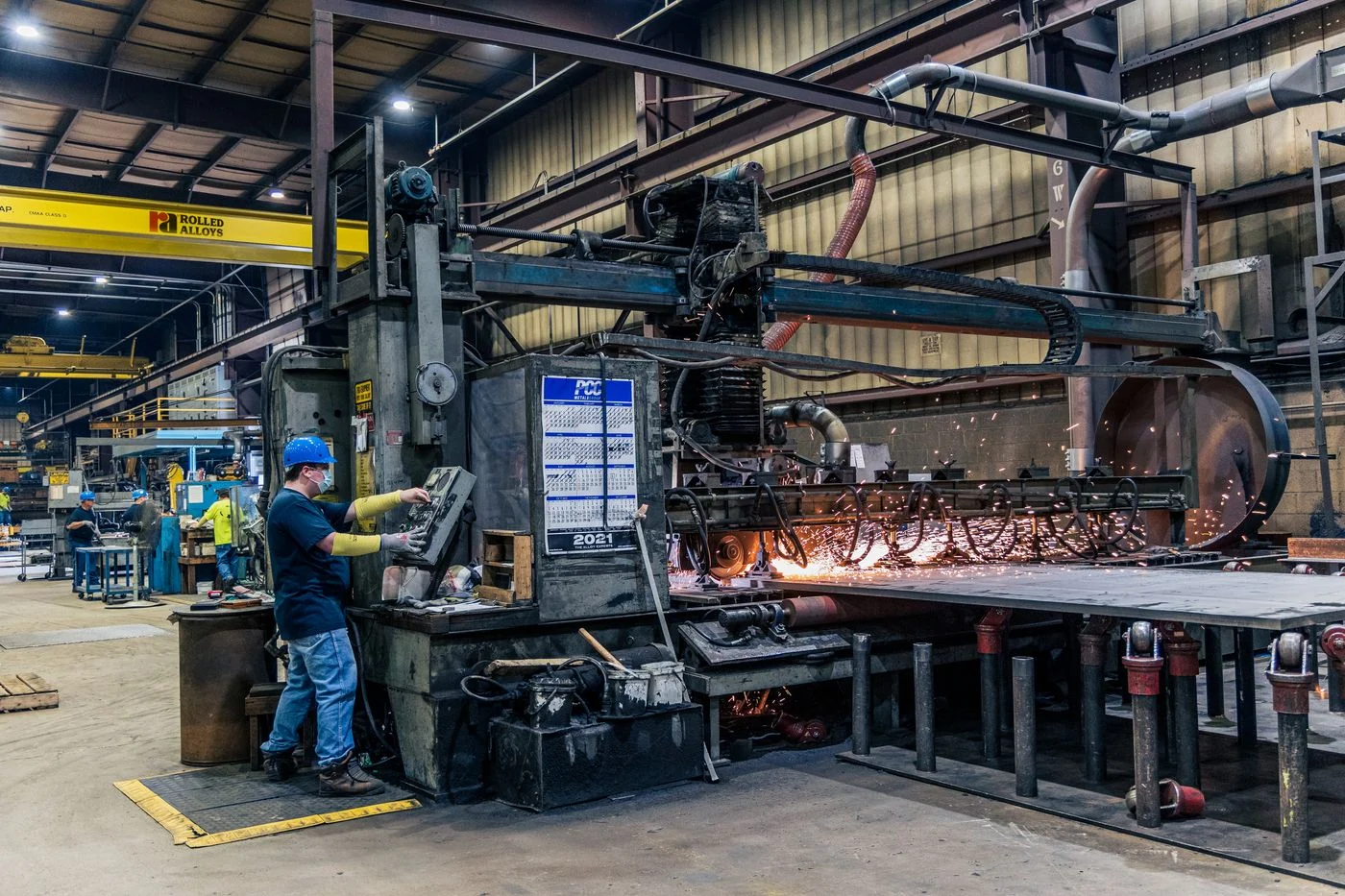
General production experience is not enough. Look for evidence relevant to your materials, process, tolerances, expected volume and required tests. A factory visit or manufacturing audit can help examine processes and quality systems; a document review has a narrower scope.
- Relevant machinery and manufacturing process
- Subcontracted work and who controls it
- Capacity, lead time and quality records
3. Freeze the quotation basis
Record the specification, quantity, MOQ, packaging, tooling, Incoterm, payment terms and exclusions. If one supplier includes tooling and another does not, the headline prices do not represent the same purchase.
4. Define approval and quality checks
Document which sample version is approved, which criteria are critical and what evidence you expect before shipment. Plan inspections or applicable testing early enough for corrections. Agree who decides whether nonconforming goods can be released.
5. Plan the shipping handoff
Confirm carton dimensions, weight, shipping marks, readiness date and document responsibilities. Ask your destination customs broker about classification and import requirements. A supplier's shipping estimate does not necessarily include duties or every destination charge.
Put this into practice.
The useful question is not only 'Is this a real supplier?' It is 'Do we have enough evidence and a clear enough agreement for this particular order?'